
Independent homeowner education
Understand your aerobic septic system. Plan its care.
Practical, source-linked guides for U.S. homeowners—covering routine maintenance, alarms, ownership costs, equipment, and the questions to take to a qualified local provider.
Start with the new-owner checklistMy system has a problem
Written by Alex González · Independent from service providers · General education, not site-specific diagnosis
Having a problem right now?
What is your system doing?
Safe first steps and what to tell your provider.
Find the likely cause from where you smell it.
What the sound can mean and what a fix depends on.
Sort out one head from the whole line.
Save water and restart the safe way.
Start from the symptom you can see.
Sewage in the house, or wet, foul ground over the system? Keep people and pets clear, stop using the affected plumbing, and call your provider now. What a wet spot can mean
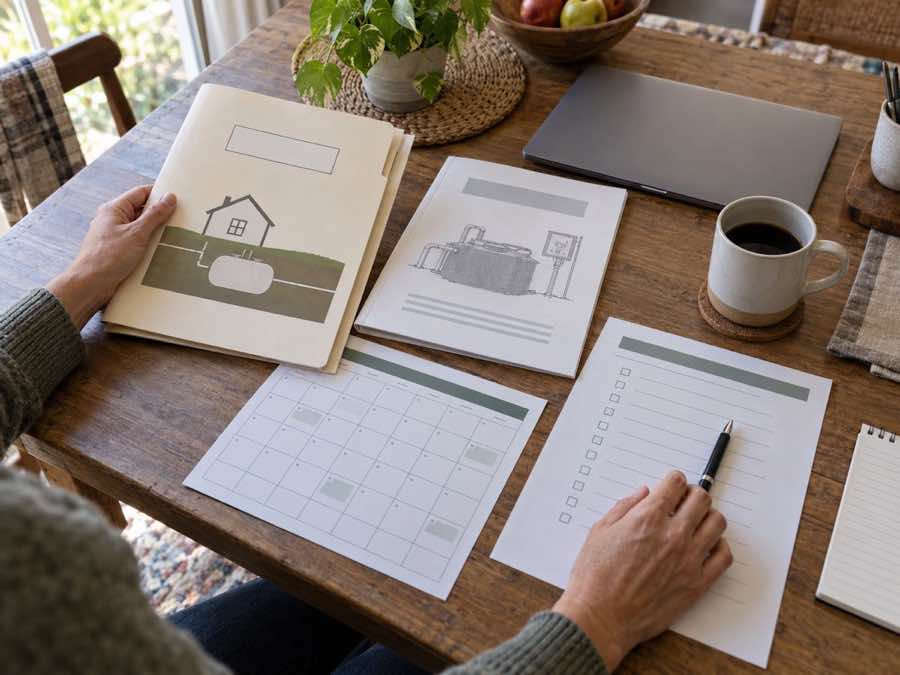
Free printable homeowner resource
Keep your maintenance records in one place
I created this three-page record so homeowners can keep system details, provider visits, due dates, alarms, and outage notes together with their permit and equipment manual.
Download the free maintenance record
3 printable US Letter pages · No email required · General recordkeeping tool
Free email lessons
Learn your system in six short lessons
One lesson every two days: how your system works, what to record, how to handle an alarm call, and how to plan maintenance. The printable record above stays free, with no email required.
Find the right starting point
What do you need help with?
Routine care
Build a schedule around your equipment, permit, water use, and service records.
An alarm is active
Learn the safe observations to make before calling the appropriate service provider.
Planning costs
Understand the categories that belong in a realistic annual maintenance budget.
Buying a home
Organize permits, inspection findings, service history, and questions before closing.
Recommended first guide
A maintenance checklist for new owners
Gather the manual, permit, maintenance contract, service history, equipment details, and emergency contacts before changing settings or buying replacement parts.
Essential reading
Popular homeowner decisions
EQUIPMENT
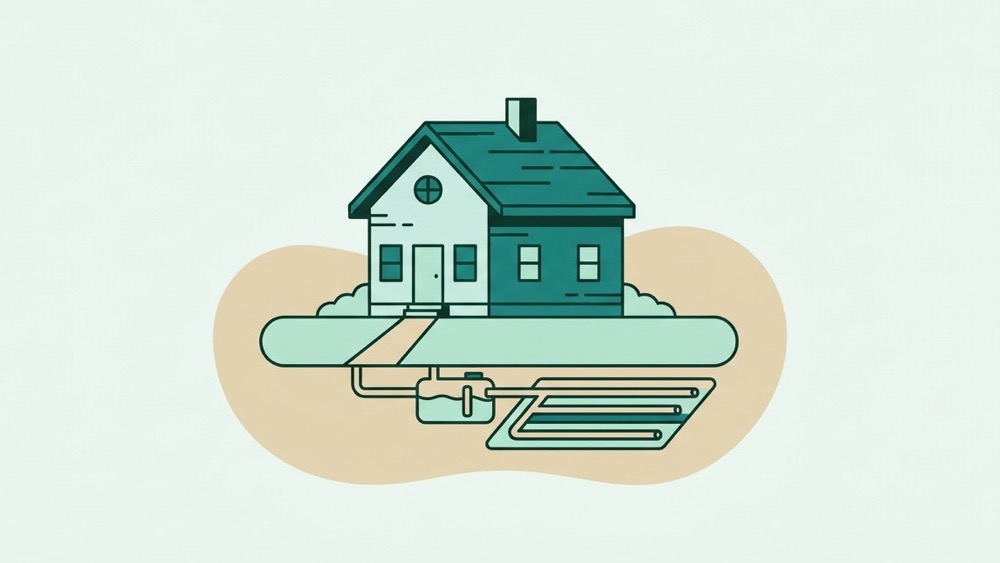
What does an aerobic septic system look like?
Identify the treatment, control, pumping, and dispersal components without opening a tank or panel.
POWER OUTAGE
What to do when the power goes out
Conserve water, record what happened, and use model-specific restart guidance.
MAJOR DECISION
Repair or replace the system?
Compare evidence, remaining component life, permit implications, and total cost.
More homeowner resources
Guides for specific decisions
Maintenance basics
Organize safe observations, professional visits and maintenance records around your manual and permit.
Repair financing
Understand questions to ask about assistance and financing before authorizing major work.
Septic dye tests
Learn what a professional tracer test can show and why a negative result has limits.
Tank access and risers
Plan safe inspection access with a qualified provider; never open a tank yourself.
How the guides are made
Primary sources, clear limits, practical next steps
Alex González researches every guide using government guidance, university extension material, manufacturer documentation, and local requirements where relevant. General education is kept separate from model-specific instructions and professional diagnosis.
- Direct links to authoritative sources
- Local and model-specific differences stated clearly
- Safe observation separated from licensed work
- Corrections welcomed and reviewed personally
Safety and local requirements come first
Never enter a septic tank or handle exposed electrical equipment. Keep people and pets away from sewage or surfacing wastewater and contact a qualified local professional. Your permit, equipment manual, maintenance provider, and responsible authority determine the correct procedure for your property.
About Aerobic Septic Owner
This independent site is edited by Alex González to help homeowners ask better questions, keep better records, and understand when general guidance ends and local professional help begins.